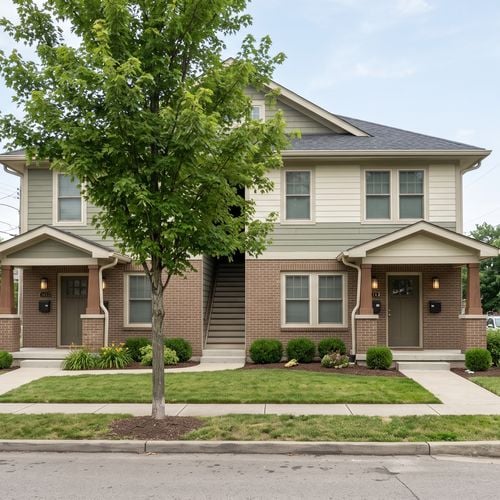







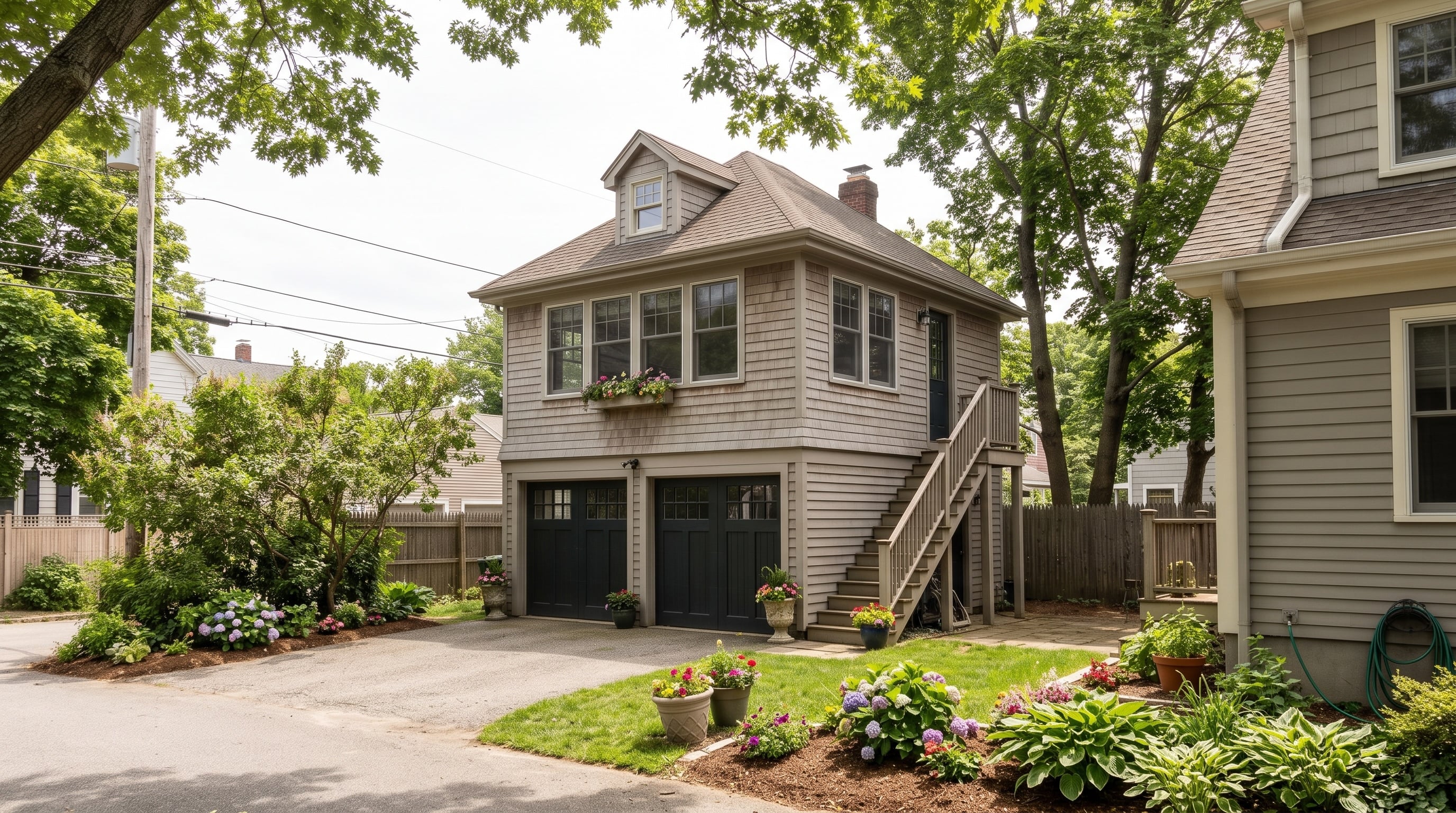
Since November 2025, Columbus homeowners have been able to add a second dwelling to their lot without asking City Council for a variance, and that changes the math on a lot of "stay or sell" decisions. A backyard carriage house can house a parent, produce rent, or become the home office you have been wishing for. It can also cost far more than it adds to your resale value. The homeowners who come out ahead decide what the space is for before they hire anyone to draw it.
Columbus Removed the Biggest ADU Hurdle in November 2025
Before November 2025, an accessory dwelling unit on a Columbus single-family lot meant a council variance, months of waiting, and no guarantee of approval. In November 2025, Columbus City Council voted to allow ADUs by right, according to WOSU and the city's Ordinance 2526-2025 record. Permits are still required, and properties in historic review areas such as German Village need additional certificates, but the variance process is gone.
The rule change fits a market with limited room to grow. Central Ohio closed 2,749 sales in August 2026 at a median price of $345,500, with 2.4 months of supply, according to the Columbus REALTORS® August 2026 housing report. MORPC projects the region will add 726,000 residents by 2050. Adding homes on lots that already exist is one of the few ways to add housing without reshaping a neighborhood.
What the City Allows Today
The City of Columbus ADU handbook permits ADUs in residential, apartment residential, and mixed-use districts. Planned Community and Planned Unit Development districts are excluded. An ADU can reach 1,000 square feet or 65% of the main home's net floor area, whichever is greater, and must stay smaller than the principal dwelling. Height tops out at 25 feet, and the ADU adds no parking requirement, though your lot must still accommodate the main home's required parking.
The process starts with a $200 preliminary zoning review, which staff typically complete within about a week. A building permit and separate electrical, mechanical, and plumbing permits follow, and construction must begin within one year of approval.
Decide What the Property Is For First
Design decisions follow from one question: what is this property doing for you? A forever home built around aging parents calls for accessibility, privacy, and a layout that works for decades. A rental calls for durable finishes and a floor plan built to earn. A project you need to exit within a year cannot absorb a large addition at all.
Settle use and timeline in your first conversation with a designer, before anyone talks about finishes. That one answer sets your budget ceiling, your contractor shortlist, and whether building makes more sense than moving.
What the Resale Data Says
The 2025 Cost vs. Value Report for Columbus puts an ADU at roughly $154,000 to $166,000 to build, with a resale value gain of about $65,000 to $69,000. That recoups 41% to 44% of the cost at sale. For comparison, the same report shows a midrange minor kitchen remodel recouping roughly 90% to 113%, and a midrange major kitchen remodel about 48% to 51%.
Cost vs. Value measures resale price only. It does not count rental income, the cost of care you avoid, or the value of a home office you use every day. An ADU works as an income and lifestyle investment first. If you plan to sell within a couple of years, the numbers rarely support one, and cosmetic updates will usually return more per dollar.
Four Situations Where an ADU Can Pencil
A family buying in a stronger school district can stretch into a pricier neighborhood by renting the ADU to offset the mortgage, with the understanding that you become a landlord. A remote worker can turn the space above a new garage into an office with real separation from the household. A family can house an aging parent close by without sharing walls.
Longtime owners on fixed incomes have a fourth option. If property taxes are climbing and the home carries substantial equity, a home equity line can fund an accessible ADU tailored to them. They move in and rent the main house, and the income covers the cost of staying in the neighborhood they know.
Before committing, price the project honestly. New construction is not cheap, and on some lots the better move is to rent out the current home and buy elsewhere.
Plan for Permits, Contractors, and Scope Creep
Custom design and permitting take months, and requirements keep tightening on energy efficiency and enforcement. Anyone paying interest daily on short-term financing feels every week of that. Contractor quality and pricing in Columbus vary widely, so get several bids and look for the firm that delivers solid work at a fair price rather than the cheapest or most expensive quote.
Scope creep is the other schedule killer. Switching from a garage to a carriage house mid-design adds weeks and cost, and it can push back everything else on your calendar. Lock your scope before you submit for permits.
Quick Tips
- Define the property's job (forever home, rental, office, or family housing) before you commission any design work.
- Run your numbers on income and lifestyle value, since resale data shows ADUs recoup roughly 41% to 44% of cost.
- Start with the city's $200 preliminary zoning review to confirm your lot qualifies before spending on plans.
- Collect multiple contractor bids and confirm the contractor and designer communicate well with each other.
- Fix your scope before permit submission, because mid-project changes add weeks and cost.
FAQs
Q1: Do I need a variance to build an ADU in Columbus?
A1: No. City Council approved ADUs by right in November 2025, so the variance process no longer applies. You still need a zoning review and building permits, and historic review areas require extra certificates.
Q2: How big can a Columbus ADU be?
A2: Up to 1,000 square feet or 65% of the main home's net floor area, whichever is greater, with a 25-foot height limit, according to the city's ADU handbook. The ADU must be smaller than the principal dwelling.
Q3: Will an ADU add enough value to pay for itself when I sell?
A3: Usually not on resale alone. The 2025 Cost vs. Value Report shows ADUs in Columbus recouping 41% to 44% of cost. The case for building rests on rental income, family housing, or work-from-home value over the years you own it.
Conclusion
Columbus has made ADUs far easier to build, and that creates real options for homeowners and buyers. The best results come from matching the project to a clear goal, running honest numbers, and planning for timelines. If you are weighing an ADU against selling and want to know what your home is worth today, request a free home value consultation. If you are shopping for a home with room for an ADU, explore listings and schedule a tour.
Check out this article next